Automotive
For highest standards.
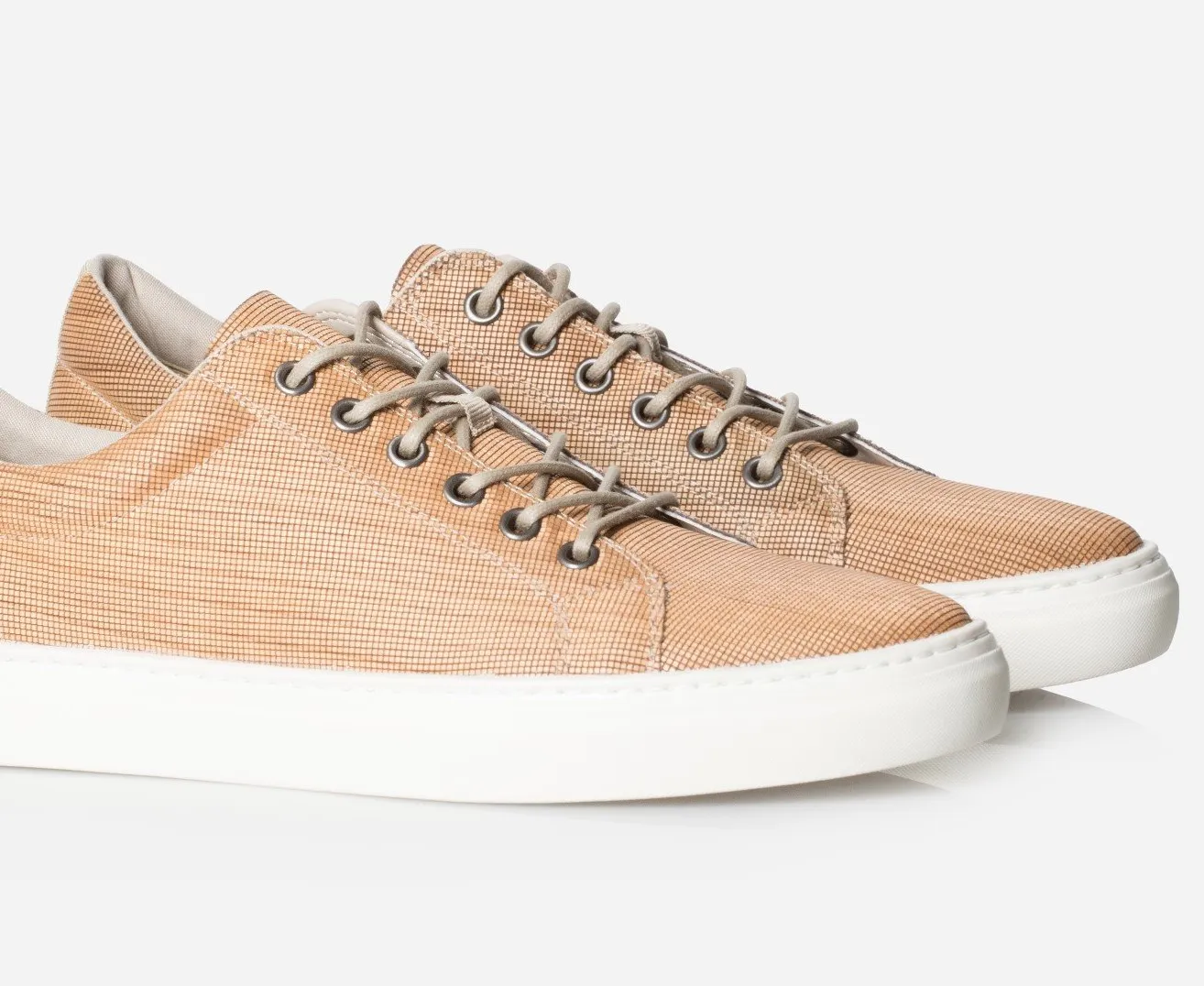
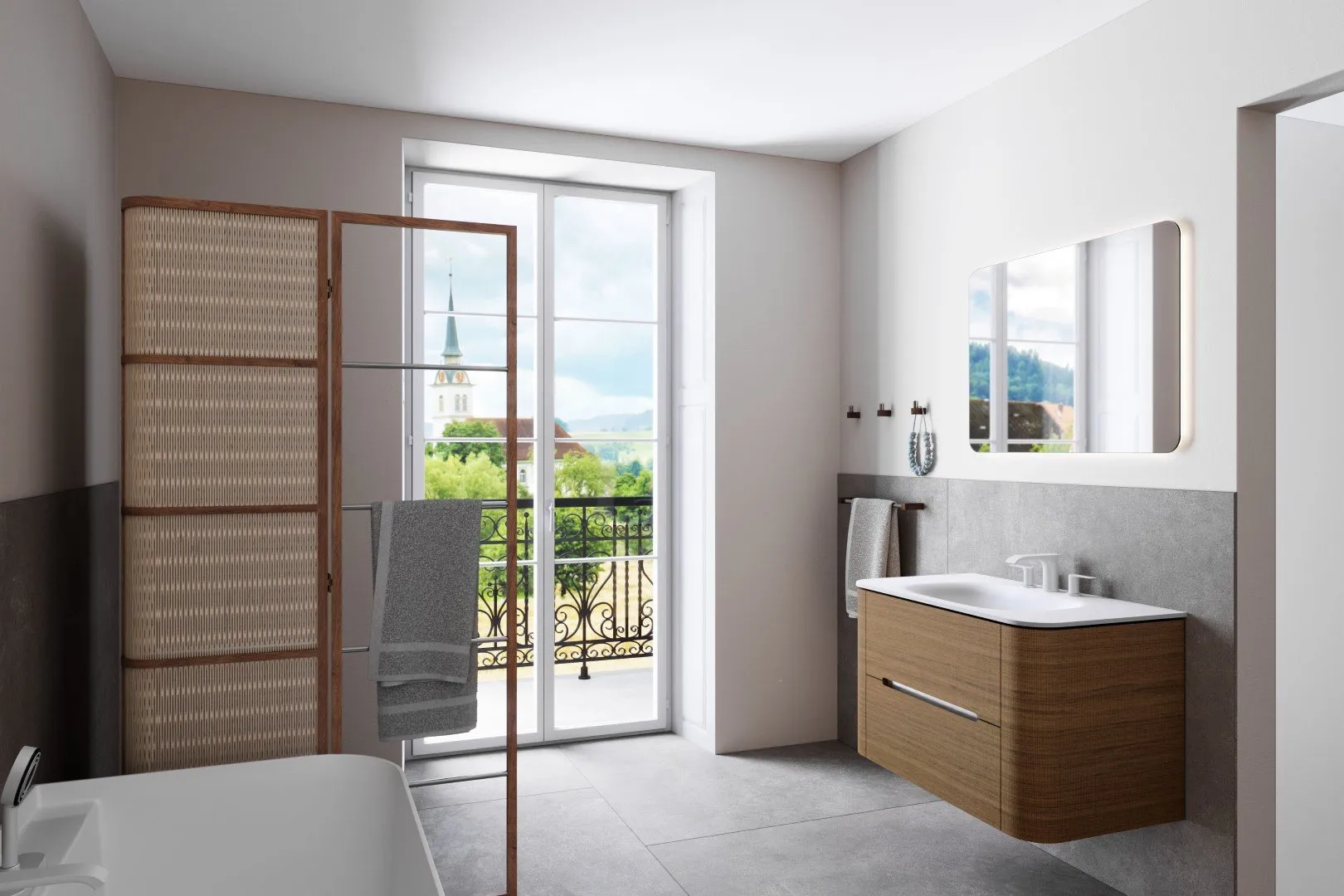
NUO is the first soft wood in the world which enables many different applications that were previously unthinkable. The real wood veneer from which NUO is made, comes from forests that are managed ethically and with respect for the entire ecosystem. Sustainably managed forests - in other words, no more wood is harvested than regrows - supply vital goods and services and thus play an important role in sustainable development.
The forest reflects the natural life cycle of growth, aging and new beginnings. Old trees create space for new growth. This is exactly what happens during veneer production: individual trees are carefully removed at the end of their cycle. The forest closes this gap quickly and naturally. The selective and careful removal of the thickest and oldest trees enables the growth of younger generations of trees that are in constant competition for light.
This is not just about the limited availability of raw materials or the pollution of the environment by harmful substances. The responsible treatment of nature begins with the use of wood. Wood is one of the few – and certainly the most important – renewable raw materials on earth. Veneer is one of the most ecological forms of wood use.
Hard parts
Passes the standards of leading OEMs. Painting cycle is indispensable (more information below).
Soft parts
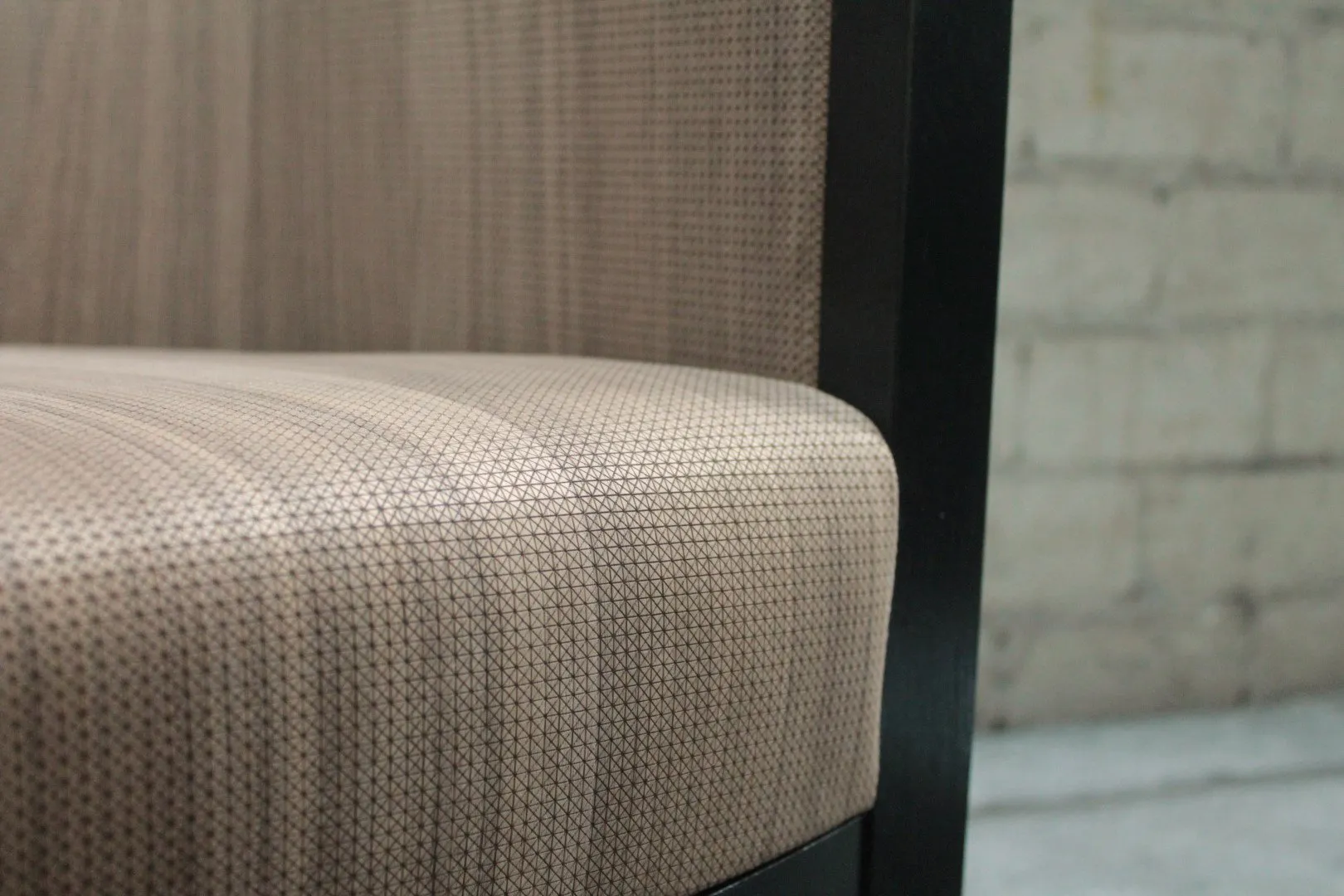
R&D projects possible. Further information on upholstery
Automotive References
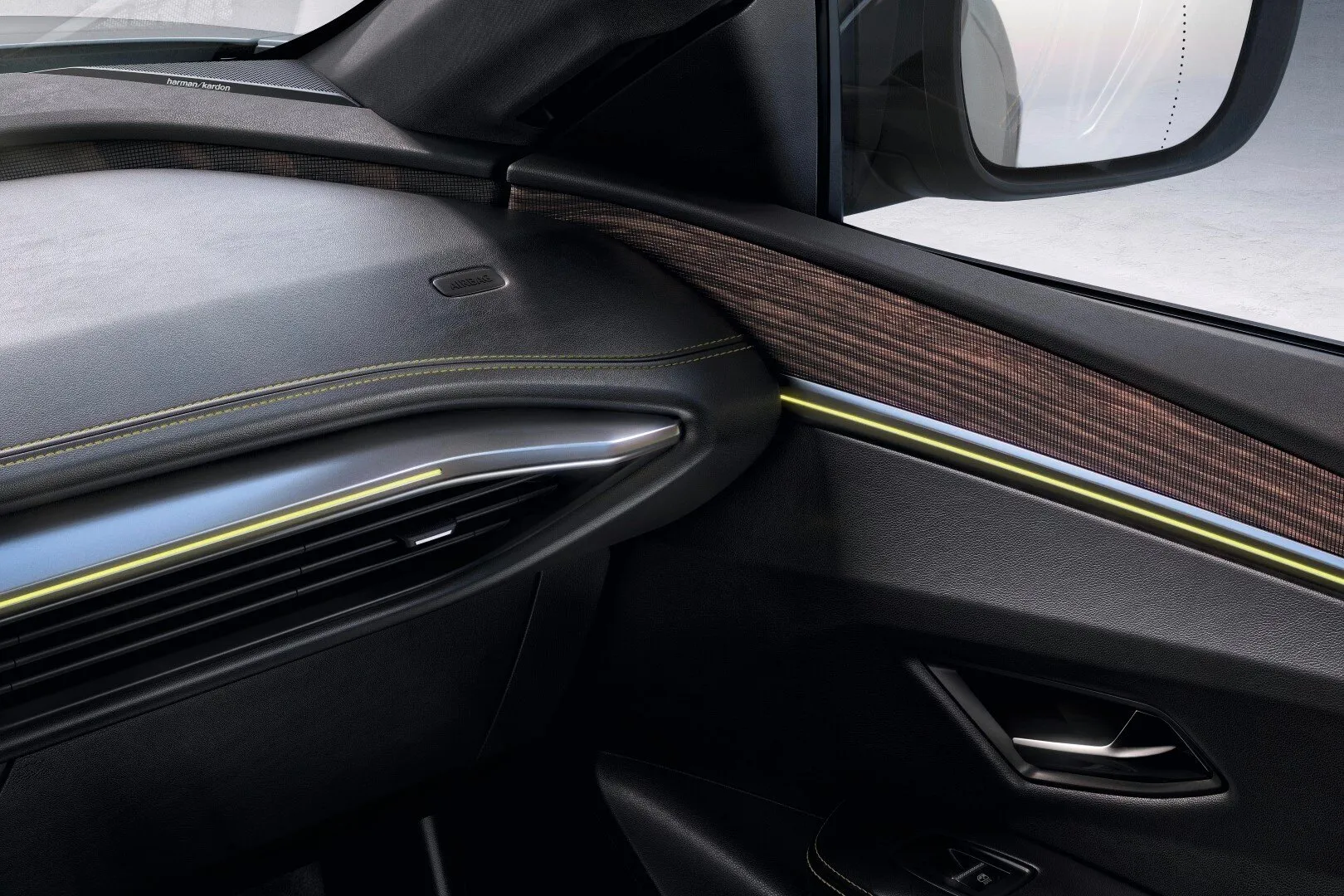
Discover real-world implementations of NUO wood textiles in revolutionary electric vehicles and premium interior concepts.
-1920w.jpg)
-1920w.jpg)
-1920w.jpg)
RENAULT SCENIC E-TECH ELECTRIC
Photo: CHOULOT, Clément
_(Large)-1920w.jpg)
_(Large)-1920w.jpg)
-1920w.jpg)
Renault Mégane E-TECH Electric
credits: © Renault Communications / Rights reserved
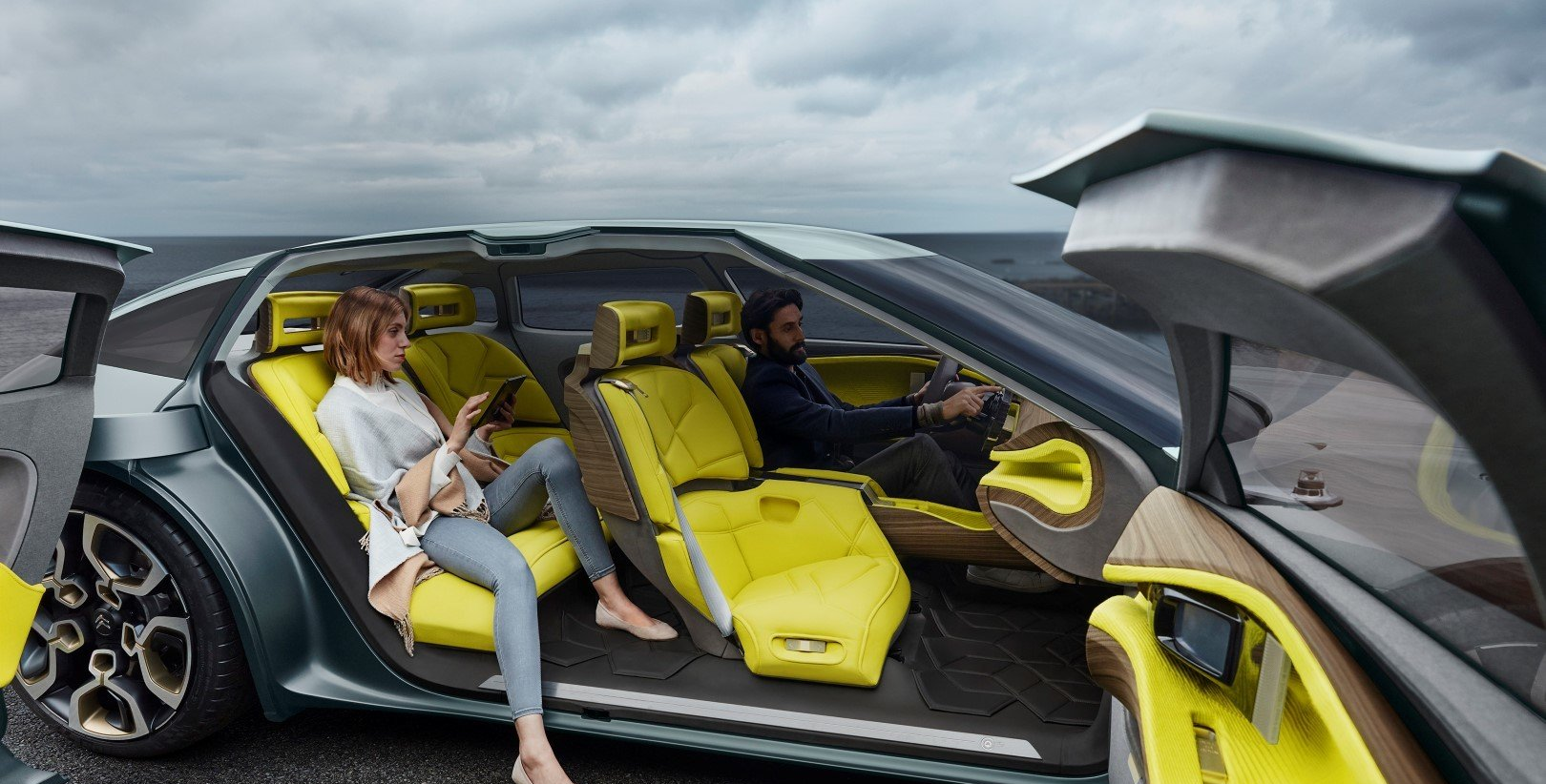
NUO wood veneer reference automotive
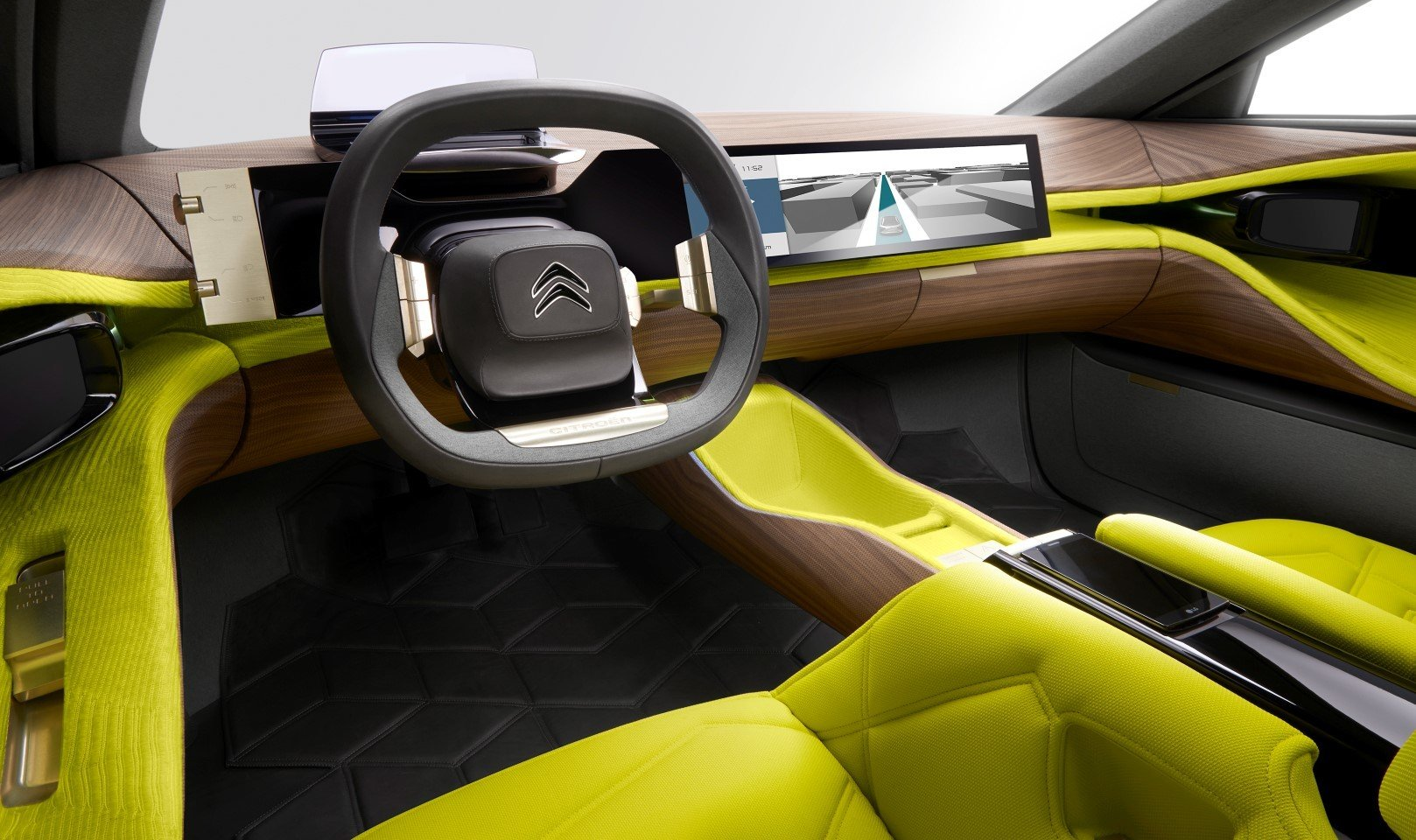
Citroën concept reference
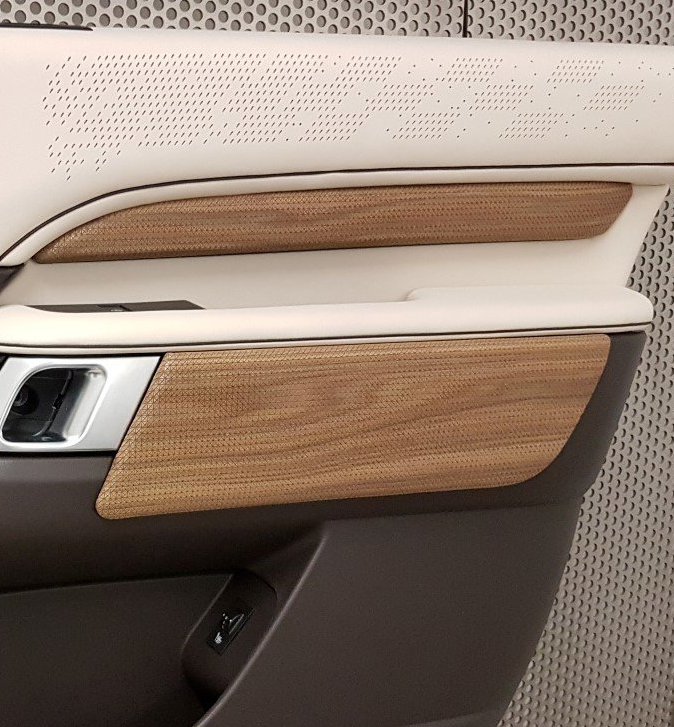
NUO Automotive Reference
Peugeot e-Legend concept reference
Automotive applications
Wrapping, press covering, back injection
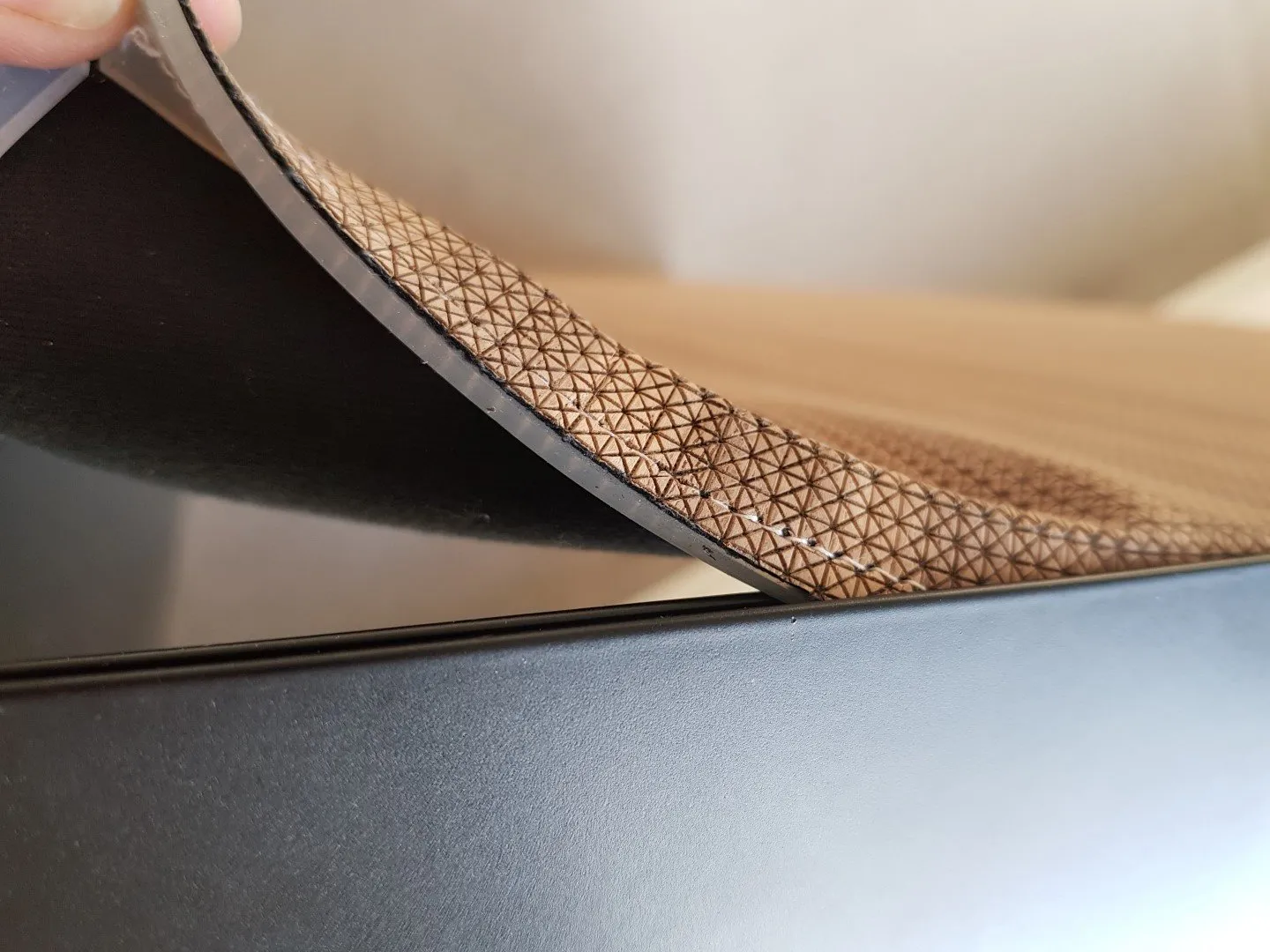
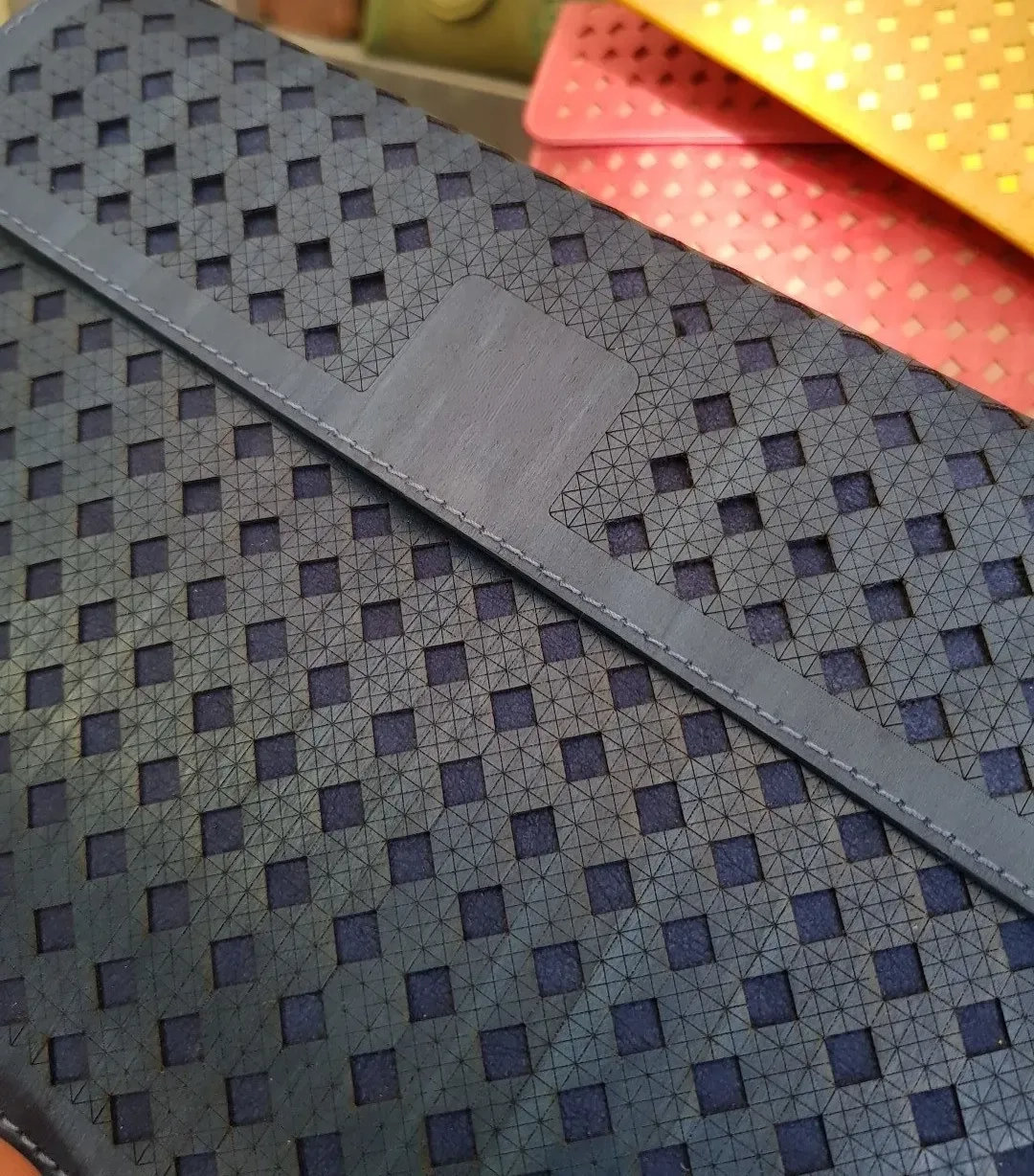
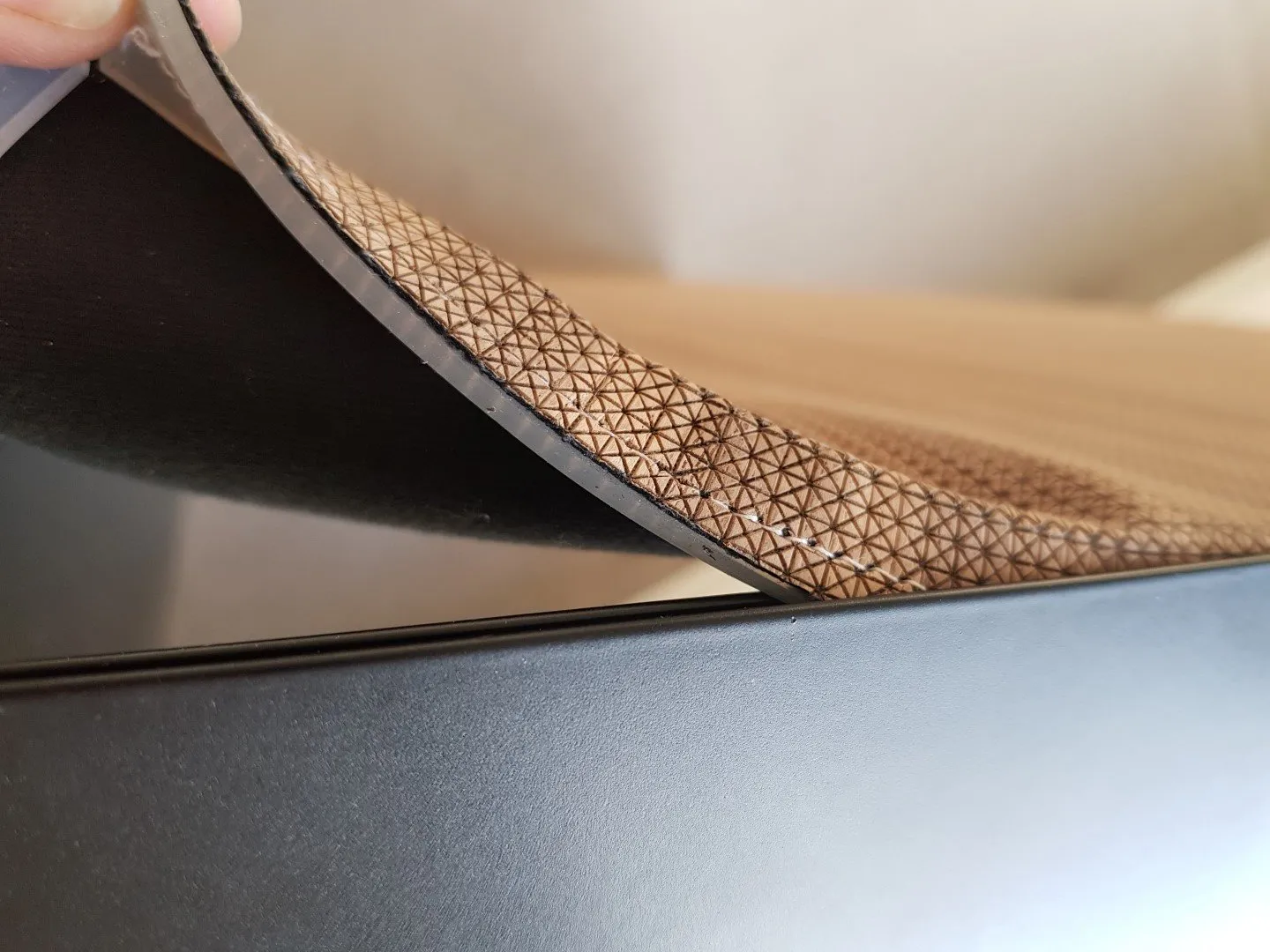
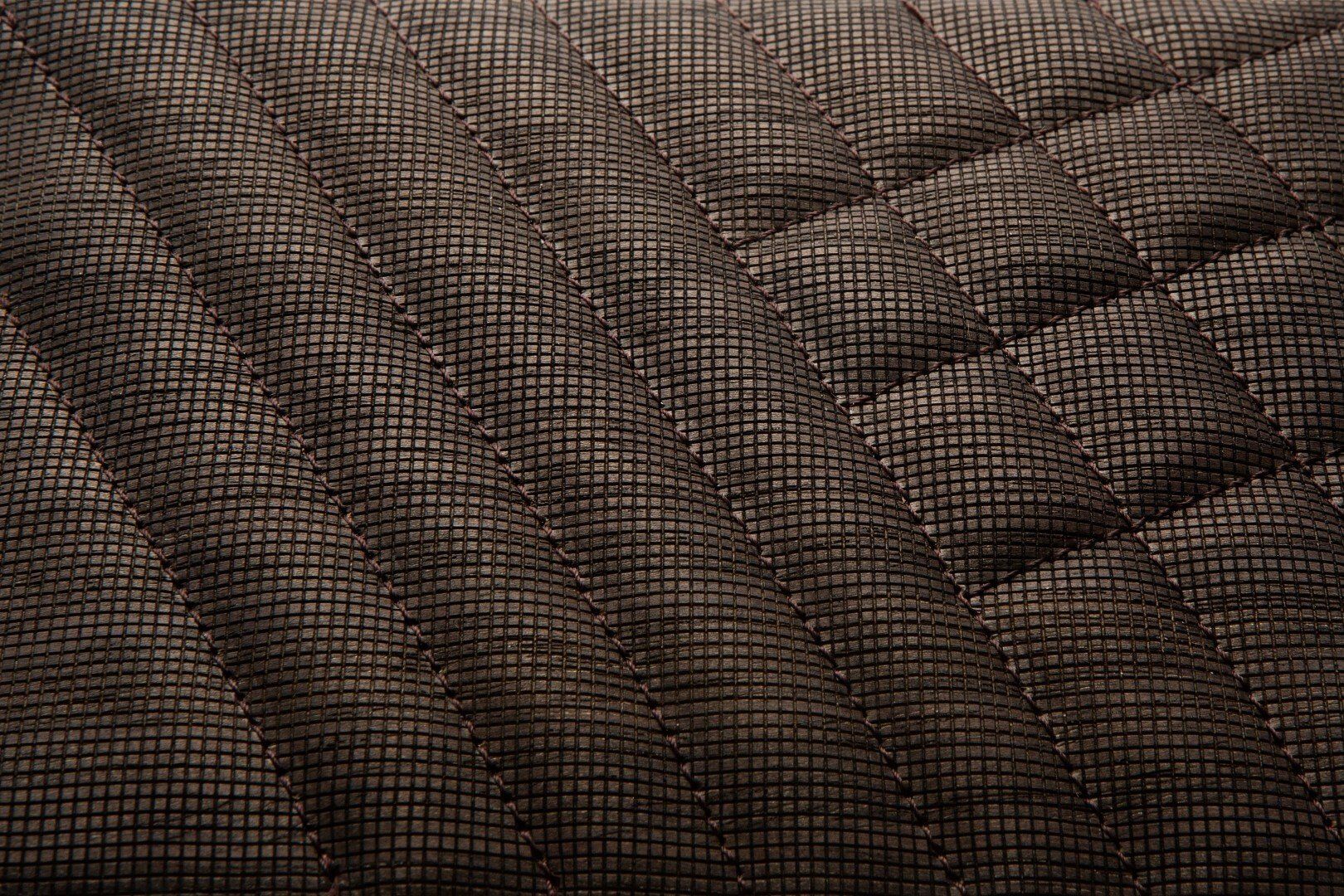
NUO lets your imagination run wild in designing center consoles, instrument panels, door panels and seat systems. The soft material allows unlimited use in a vehicle’s interior. Sustainable and stretchable, it can cover both hard and soft parts. Different backings of NUO create products with varied characteristics.
WRAPPING AND PRESS COVERING
NUO easily masters complex geometries. For manual wrapping or press lamination on decorative parts, NUO performs well with slope changes. The material can be wrapped around edges or cut raw. After molding the surface is treated with varnish and UV protection.
BACK INJECTION AND HOT PRESSING
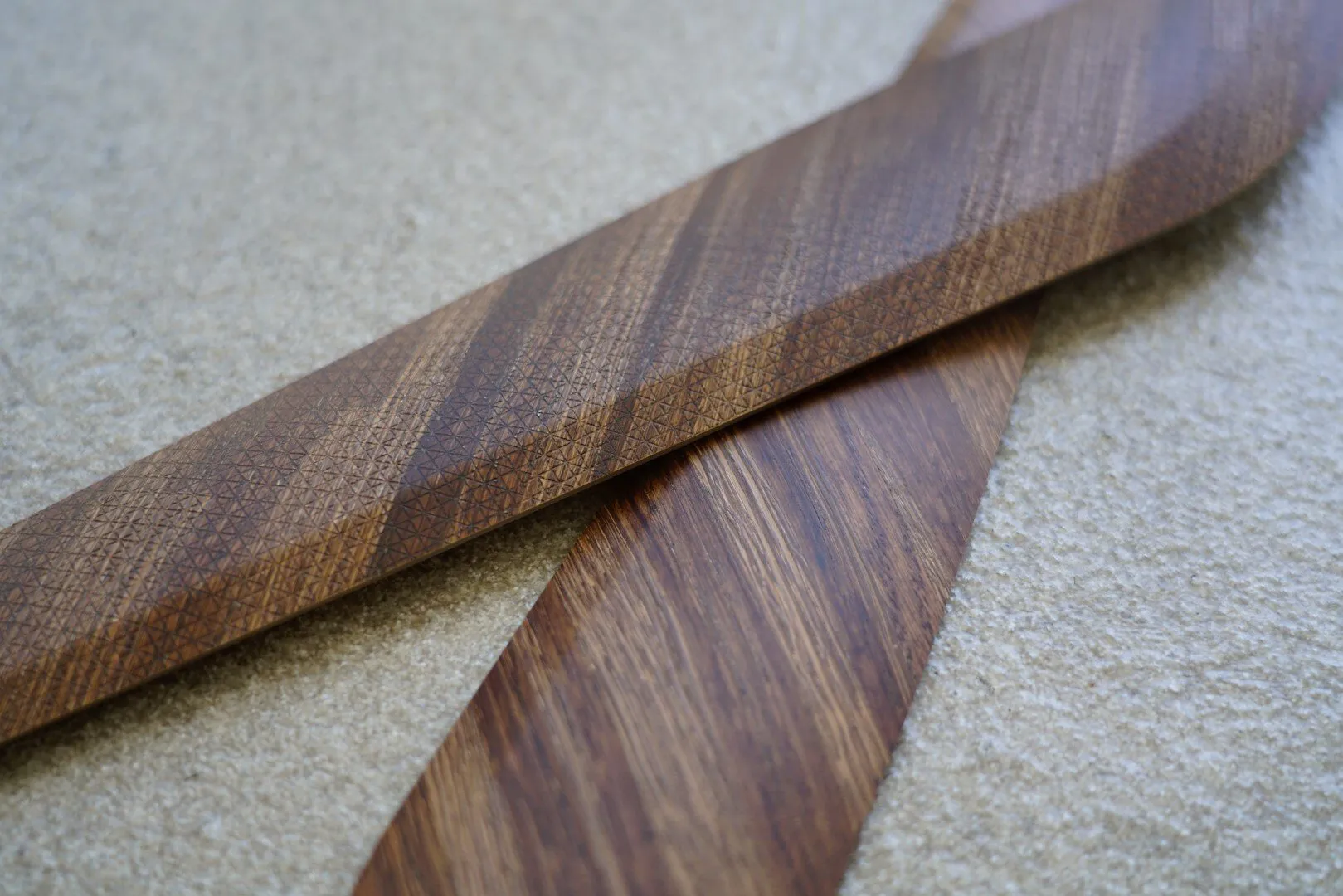
NUO is ideal for demanding deformation under heat and pressure, and back injection molding with plastic materials. A subsequent varnish process gives the final product the desired aesthetics and extends its life cycle.
_(Large)-1920w.JPG)
Mandatory Painting Cycle
The following painting cycle has to be applied after NUO is wrapped, back injected or press covered on a deco part. OEM's standards are tested on NUO and can only be met if the described coating steps are followed.
Color
The first layer is a color layer which contains concentrated pigments to improve UV resistance. The shade further enhances the contrasts. The darker the selected shade, the more it blocks the change of color over time.
Primer
The second layer is a primer with UV thermal additives to increase the physical-mechanical resistance. After drying, this layer is sanded to prepare the decorative part for the final stage of the painting cycle.
Top Coat
On one hand, the final top coat additionally improves the physical and mechanical properties due to the stabilizers it contains. On the other hand, the use of glossy, semi-glossy or opaque top coat determines the surface aesthetics of the final deco part – depending on the designer's specifications or preferences.